 (+91) 944 642 0051
 care@greensofkerala.com
 Pan India Delivery



Related Products


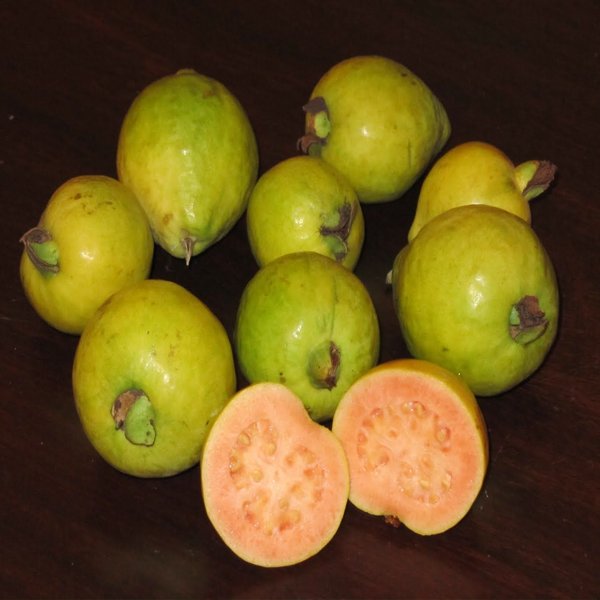
Strawberry Guava – Beautiful, fruit-bearing shrub that is native to South America, specifically Brazil.
Strawberry guava is a large shrub or small tree that is native to South America and loves a warm climate. There are some good reasons to choose strawberry guava plants over the common guava, including more attractive fruit and foliage, and a better tasting tropical fruit.
Strawberry guava (Psidium littoralei) is also known as cattley guava, purple guava, or Chinese guava, although it is native to the Americas. Strawberry guava generally grows to heights between six and 14 feet (2 to 4 meters), although they can grow taller. As the name suggests, this tree usually produces a red fruit, but yellow fruits are also possible. The fruit on the strawberry guava is similar to that of the common guava: a fragrant, juicy pulp with seeds. However, the flavor of this type of guava is said to have a strawberry essence and is considered to be less musky. It can be eaten fresh or used to make puree, juice, jam, or jelly.
MAINTENANCE
Once a plantation has been established, the work should not be considered finished. It will be necessary, for example, to protect the plantation against weather, fire, insects and fungi, and animals. A variety of cultural treatments also may be required to meet the purpose of the plantation.
FERTILIZING
The plants need fertilizer thrice a year – in summer, spring, and fall. Use a high-quality granular citrus fertilizer with a ratio of 6-6-6 for the best results.
WATERING AND WEED CONTROL
When growing a strawberry guava tree, soil considerations are not too important. It will tolerate poor soils that other fruit trees will not, including limestone soils. If you do have poor soil, your tree may need more watering to produce fruit. This tree is hardier and will tolerate more difficult conditions than common guava. Although it prefers a warmer climate, the strawberry guava will remain hardy down to temperatures as low as 22 degrees Fahrenheit (-5 Celsius). It does best in full sun. The strawberry guava tree that produces red fruit is also very drought tolerant, while the yellow fruit-producing tree can take occasional flooding. These trees are generally considered a pest and disease-free.
PRUNING AND SHAPE OF GUAVA TREE
The Strawberry guava plant naturally stays in shape; however, if you’re planting it for landscaping purposes, a little pruning can go a long way. They have a naturally pretty form. Nonetheless, you can cut off any branches that are invasive or growing outside the borders. Tipping the branches will also mean bushier growth if that’s what you want. The ideal time to prune is in fall, once the fruit season is over.
PEST & DISEASE FOR GUAVA TREE
Every fruit tree has the future potential for disease and insect damage. Factors such as location and weather will play a part in which issues your tree encounters. If available, disease-resistant trees are the best option for easy care; and for all trees, proper maintenance (such as watering, fertilizing, pruning, spraying, weeding, and fall cleanup) can help keep most insects and diseases at bay.
HARVESTING YOUR GUAVA TREE
Strawberry guava trees typically bloom throughout the year in mild climates. However, the best time is spring. The fruit properly ripens between 90 and 150 days, once the flowers have finished blooming. If left to ripen on the tree, fruits develop a better flavor. The trees continue to grow after transplanting and bear fruit after 2-4 years. Although the trees can survive as long as 40 years, their fruit production declines after 15 years.
PLANTING INSTRUCTIONS
1. Prioritize your tree planting with the sun’s direction to maximize shade by planting on the southwestern and western sides of your home
2. Guava is very hardy. It can thrive on all types of soil from alluvial to lateric. However, it is sensitive to waterlogging. It can be grown on heavier but well-drained soil. Deep friable and well-drained soils are the best. The topsoil should be rich for a better stand. Soil pH range of 4.5 to 8.2 is congenial for guava but saline or alkaline soils are unsuitable.
3. Strawberry guava can spread fast and grows well in full sun. It grows well in warmer temperatures, typically between 70-85°F (21-29°C).
4. Needs regular, ample watering. Although the plants can tolerate short periods of drought, guava red trees need proper hydration. They need even more water during fruit development so the berries can ripen properly. Regular irrigation at least once a week, once the plant matures, is good enough to maintain healthy growth
5. For Commercial Plantation, standard spacing for guava is, 6m x 6m, accommodating 112 plants /acre. However, it is commonly planted at a distance of 3.6 m to 5.4m (12′ to 18′). Traditional planting spaces in some parts of the country range even up to 5.4 to 7.0m (18’o 23′). By increasing plant density, productivity can be increased. Although there would be a reduction in the size of fruits, the number of fruits per plant remains more or less similar.
6. In a home garden generally, we are planting one or two guava fruit along with other species of fruit plants. So it is better to keep a minimum 7-meter distance from other plants to plant a guava
7. 100% sunlight is best but can grow up to 50 % shade
8. During dry weather, initially water the plant once in two days, and after one month of planting water every 7 to 10 days during the first year.
9. Do not use chemical fertilizer or any other chemicals on your newly planted trees. Such products will kill your young trees. If needed you can add chemical fertilizers in small quantity (generally below 100gm) after two to three months of planting with sufficient irrigation.
10. Do not overwater or allow rainwater so much that you see standing water in the pit area of the plant. It will damage the plant’s roots and results in the die of your plant.
1 review for Guava / Perakka (Strawberry, Layer) Fruit Plant
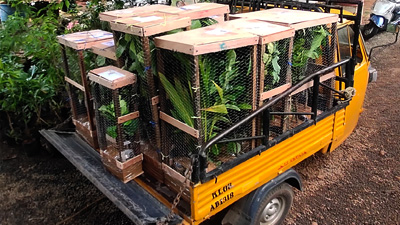
Plants Delivery via Courier [Doorstep]
In Rare instances, customers may need to collect plants from the nearest collection point.
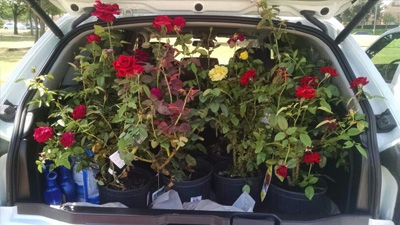
Plants Delivery via Truck [Bulk Order]
Regrettably, this service is limited to Kerala, Tamil Nadu, Karnataka and Hyderabad only.

Plants Delivery via Train [Customer Pickup]
Customers will be required to collect plant package directly from the designated railway station.
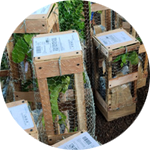
Wooden Box Packing
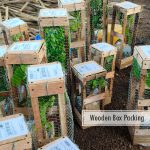
To safeguard plants during transit, we utilize sturdy wooden boxes for packaging. (except coconut saplings).
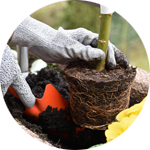
Ship with 100% Soil
We ship saplings with their soil intact, ensuring that 100% of the soil is included during the shipping process.
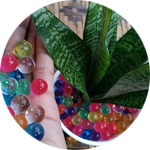
Water Balls & Cocopeat
We add water balls and cocopeat into every container to make sure the plant is fresh and moist.


Anand Ramesh –
Has the plant started flowering ?