 (+91) 9746 999 125
 support@greensofkerala.com
 Pan India Delivery







Related Products


A cherry is the fruit of many plants of the genus Prunus and is a fleshy drupe (stone fruit).
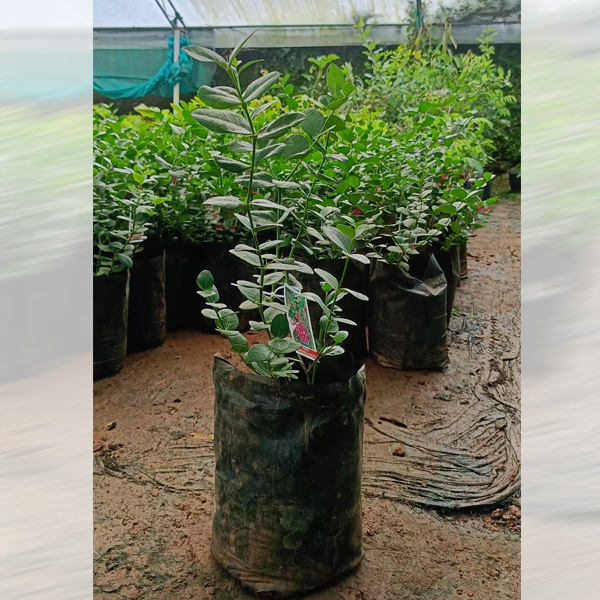
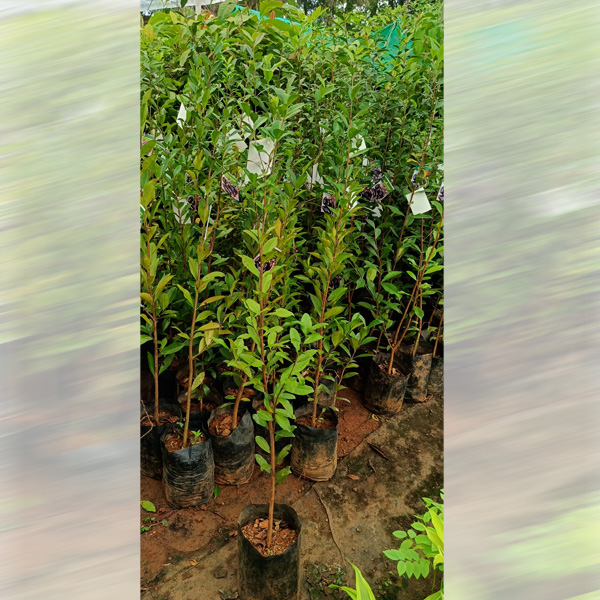
The wild karonda cherry tree is a perennial tree in the family Rosaceae grown for its fruit, the cherry. Cherry trees have alternating simple oval leaves which often have serrated margins and approximately eight pairs of veins, 5–13 cm (2–5 in) long. The flowers are white and appear in clusters of about 3–5. They appear in early spring and are about one inch long. The fruit is dark red, about half an inch to a full inch, matures in early to mid summer. The bark is gray-brown, smooth and glossy and it often peels. Cherry trees can live up to 60 years, growing to a height of over 15 m (50 ft). Cherry may also be referred to as sweet cherry, gean, or wild cherry and originates from the Caspian-Black Sea region and Asia.
Mature fruit is harvested for pickles. It contains a useful ingredient in jelly, jam, syrup and chutney. Ripe fruits exude a white latex when severed from the branch.The roots of the plant are heavily branched, making it valuable for stabilizing eroding slopes .
MAINTENANCE OF THE PLANTATION
Once a plantation has been established, the work should not be considered finished. It will be necessary, for example, to protect the plantation against weather, fire, insects and fungi, and animals. A variety of cultural treatments also may be required to meet the purpose of the plantation.
FERTILIZING
Karonda plants grown as protective hedge are hardly manured or fertilized. Manuring, however used as 10-15 kg well-rotten farmyard manure or compost/plant and should be applied before flowering.
WATERING AND WEED CONTROL
Young karonda trees should be watered regularly until fully established. In dry western climates, water mature trees deeply at least every one or two weeks. Desert gardeners may have to water more frequently. Mulch the soil around the trees to conserve moisture. Weeding is also very important. Remove all weeds 1.5 meter around the plant.
PRUNING AND SHAPE OF TREE
Regular plantations of Karonda can be trained on single or double stem. Therefore additional unwanted shoots or laterals are removed from time-to-time to give the plant desired shape. Bearing plants of normal height do not require any pruning. Suckers arising from ground and diseased dried twigs should be removed.
PEST & DISEASE KARONDA CHERRY TREES
Every fruit tree has the future potential for disease and insect damage. Factors such as location and weather will play a part in which issues your tree encounters. If available, disease-resistant trees are the best option for easy care; and for all trees, proper maintenance (such as watering, fertilizing, pruning, spraying, weeding, and fall cleanup) can help keep most insects and diseases at bay.
HARVESTING YOUR KARONDA CHERRY
Karonda fruits mature 100-110 days after fruit set. At this stage fruits develop their natural color. Fruits ripen after this stage, taking about 120 days (after fruit set) when they become soft and attain dark purple/maroon/ red color. Karonda requires 2-3 pickings to harvest the entire crop. On an average, a plant provides 3-5 kg fruits.
PLANTING INSTRUCTIONS
1. Prioritize your tree planting with the sun’s direction to maximize shade by planting on the southwestern and western sides of your home.
2. It can be grown on a wide range of soils including saline soils.
3. For Commercial Plantation, the planting distance for fence/ hedge should be 1-1.5 m, requiring 300-400 plants for planting along the boundary of one hectare field. If an exclusive planting is to be raised, a planting distance of 2 m x 2 m should be enough
4. In a home garden generally we are planting one or two karonda trees along with other species of fruit plants. So it is better to keep minimum 3 meter distance from other plants to plant an karonda tree.
5. 100% sunlight is best but can grow up to 50 % shade
6. During dry weather, initially water the plant once in two days and after one month of planting water every 7 to 10 days during the first year.
7. Do not use chemical fertilizer or any other chemicals on your newly planted trees. Such products will kill your young trees. If needed you can add chemical fertilizers in small quantity (generally below 100gm) after two to three months of planting with sufficient irrigation
8. Do not over water or allow rain water so much that you see standing water in the pit area of the plant. It will damage the plants roots and results the die of your plant.
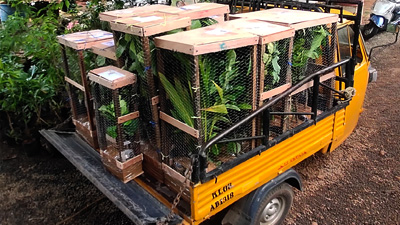
Plants Delivery via Courier [Doorstep]
In Rare instances, customers may need to collect plants from the nearest collection point.
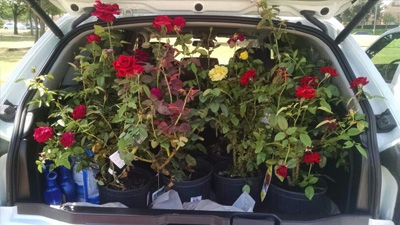
Plants Delivery via Truck [Bulk Order]
Regrettably, this service is limited to Kerala, Tamil Nadu, Karnataka and Hyderabad only.

Plants Delivery via Train [Customer Pickup]
Customers will be required to collect plant package directly from the designated railway station.
Wooden Box Packing
To safeguard plants during transit, we utilize sturdy wooden boxes for packaging. (except coconut saplings).
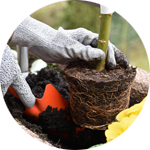
Ship with 100% Soil
We ship saplings with their soil intact, ensuring that 100% of the soil is included during the shipping process.
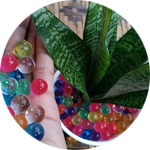
Water Balls & Cocopeat
We add water balls and cocopeat into every container to make sure the plant is fresh and moist.


Reviews
There are no reviews yet.