How to Plant Jackfruit (Graft / Bud) Sapling? | Care | Fertilization
Planting a Jackfruit sapling is an exciting endeavor that not only promises a fruitful harvest but also contributes to a sustainable and eco-friendly lifestyle. In this article, we will explore the steps involved in planting a bud jackfruit sapling and offer some tips for successful growth.
Suitable Location
Finding the right place for planting the sapling is the first step.
Sunlight
Jackfruit tree requires abundant sunlight, so make sure not to plant the tree under any other trees or shades.
Avoid Water logging
Jackfruit saplings are susceptible to damage from waterlogging, which occurs when the roots are submerged in water for prolonged periods.
Planting Instruction
Tree spacing
For optimal growth, Plant jackfruit saplings with a spacing of 15 feet between each sapling in all directions. Ensure there is enough space for the tree to grow without competition from other plants.
Right time to plant
There is no specific season for planting jackfruit saplings, but it is ideal to choose a time about a month before the monsoon arrives.
Reason: Monsoon season increases the risk of waterlogging, which can wash away added fertilizers and promote fungal diseases due to the excess moisture.
Size of hole:
Dig a hole that is 2 meters in height, width, and length. Break up the soil at the bottom of the hole to allow for better root penetration.
Sapling type
It is recommended to use Bud/Grafted plant.

- Plants that have been budded or grafted tend to start bearing fruit earlier.
- Jackfruit saplings grown from seeds may not always inherit all the traits of the mother plant due to genetic variability and cross pollination.
- Make sure while planting the bud part should come above the soil.
- Remove any growth coming below the bud /graft area.
Soil preparation / Testing
- Before planting, test the soil to determine its pH and nutrient levels. Jackfruit trees prefer slightly acidic to neutral soil (pH 5.5-7.0).
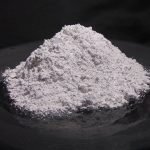
- If the soil is alkaline, mix limestone powder into the soil and apply it to the planting hole as well. Water the soil regularly for 10-15 days. This practice will improve soil structure and gradually reduce alkalinity over time.
- Once the pH level is neutralized, the soil is ready for planting.
-
Limestone powder / Kummayam podi (Soil PH Neutralizer & Remove Impurities)
₹350.00 – ₹950.00Price range: ₹350.00 through ₹950.00
Planting method
- Fill bottom layer of the hole with dry leaves and cocopeat etc.
- Remove the nursery cover and place sapling carefully without breaking any roots to the hole. Avoid watering the sapling before removing the cover to help firm up the soil, making it easier to remove the cover without breaking the roots.
- After placing the sapling above the layer of dry leaves and cocopeat, fill the hole with a layer of soil. Then, add more dry leaves and cocopeat to the hole. Repeat this process until the hole is filled with a mixture of soil, dried leaves, and cocopeat.
-
Jackfruit (Vietnam Early Gold, Budded) Fruit Plant | 365 Days Jack
Rated 5.00 out of 5₹950.00


Fertilization procedure
Organic fertilizer mix application
Apply organic fertilizer mix on the top layer of the hole and cover it with soil.
6 months sapling: 2 - 2.5kg | 1 year sapling: 5kg
It is recommended to apply organic fertilizer on the top layer of soil. This allows the fertilizer to dissolve gradually and reach all parts of the soil while watering the sapling.
Apply mulching
Mulching is the practice of covering the soil around plants with a layer of bio-materials, such as straw, leaves, tree bark, compost etc.
Maintain moisture in soil
Mulch helps to retain soil moisture by reducing evaporation, which is particularly useful during dry periods. This helps to maintain consistent soil moisture levels, which is essential for plant growth.
Controls weed
Mulch acts as a barrier, suppressing weed growth by blocking sunlight. This reduces competition for nutrients and water, allowing your plants to thrive.
Promotes micro-organism growth
Mulch creates a more hospitable environment for microorganisms in the soil, which can lead to increased microbial activity and a healthier soil ecosystem.
Protection from UV radiation
Mulch helps to protect the soil and microorganisms within it from the harmful effects of UV radiation, which can inhibit microbial growth.
Reduce Erosion
Mulch also helps to reduce erosion and can add nutrients to the soil as it breaks down.


Watering procedure
- Water the plant twice a day at least for 6 months.
- Once sapling is stable and roots are penetrated to the soil you can reduce watering to once in a day.
- The ideal time to water plants is typically early in the morning. This allows the plants to absorb the water before the heat of the day causes evaporation.
Arrange support for sapling
Providing support sticks to newly planted saplings can help protect them from heavy winds and ensure they grow straight and strong.
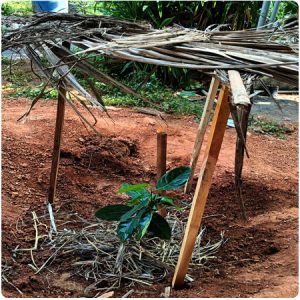
Arrange temporary shade
In areas with very hot summers, providing shade to saplings can be beneficial. This will help plants to reduce heat stress, water loss etc.
Care / Pest Attack / Diseases
No constant care is needed for the jackfruit tree as it has good immunity against pests and other diseases. If any of the leaves come under bugs or fungal attack, spray the Bordeaux mixture.
Post Fertilization
- After the initial fertilization, repeat the same amount of fertilization every 6 months.
- It is important to apply fertilizer in the evening or the morning. Do not do it during noontime, when the sun is hot.
- After fertilization, it is important to water the plant at least for two weeks, in the morning and afternoon to reduce heat-exhausted from fertilizers.
Pruning
Pruning is an important practice for maintaining the health and productivity of a jackfruit tree.
Fruit Production
Pruning stimulates new growth, which can lead to increased fruit production and improved fruit quality.
Remove Dead or Diseased Branches
Pruning helps remove dead, damaged, or diseased branches, promoting the overall health of the tree.
Shape and Size Control
Pruning helps manage the size and shape of the tree, making it easier to harvest fruits and maintain overall tree health.
Improved Air Circulation
Proper pruning opens up the canopy, allowing better air circulation and reducing the risk of fungal diseases.
Aesthetic Appeal
Regular pruning enhances the appearance of the tree, making it more visually appealing.
Instructions for Pruning
- Ideal Time: The optimal time for pruning is when the tree reaches a height of 9-12 feet, and it's ideal to maintain its height at less than 12 feet.
- Single Trunk: Encourage the tree to grow as a single trunk (stem) by removing branches that grow in multiple directions. This practice strengthens the main stem and promotes early fruiting (Refer 2nd image).
- Thin Out Canopy: Remove crowded or crossing branches to open up the canopy and improve air circulation.
- Remove Dead or Diseased Branches: Cut back any dead, damaged, or diseased branches to prevent the spread of disease and promote new growth.
- Prune to Shape: Prune to maintain a balanced shape and size, removing excess growth to improve the overall structure of the tree.
- Use Caution: Be careful not to over-prune, as this can stress the tree and reduce fruit production. Aim to maintain a natural shape while removing only what is necessary..


Harvesting Jackfruit
A budded jackfruit sapling typically takes more than 3 years to fruit, except for the early fruiting variety Vietnam Early Gold.
It is advised to keep only one fruit on the tree at a time during the initial years. Keeping more fruits can affect the health of the tree.
Jackfruits are ready for harvest when they change color from green to yellowish-green and develop a strong aroma. The fruit should also feel slightly soft to the touch.
Harvesting jackfruit from a sapling can be a rewarding experience, but it's important to be patient and wait for the fruit to ripen properly before harvesting.
F.A.Q's
Yes, apply organic or balanced fertilizer every 3 to 4 months during the growing season to promote healthy growth.
The time it takes for a jackfruit tree to bear fruit can vary depending on several factors, including the variety, soil quality, sunlight exposure, and climate. Some varieties, such as Ayur jack and Vietnam early gold, are known to start fruiting in as little as 1.5 years when grown from bud or grafted saplings. However, other bud or grafted varieties may take 3 years or more to bear fruit.
15 feet between each sapling in all directions.
2ft Depth x Width x Length
Daily 2 times till sapling becomes stable and later once in a day.
Usually a bud jackfruit plant grows up to 8-12ft.
Keep the area around your sapling clean, use organic pest control methods, and watch for signs of pests or diseases to address them early.
It takes approximately 4-5 months for a jackfruit flower to develop into a mature jackfruit.
- Vietnam super early gold
- Thenvarikka
- Siddu jack
- J33
- Seed free jack
- Sindoor jack
- Daeng suriya (Red Jack)
- Gumless sweet jack
Pruning is a crucial practice for ensuring the health and productivity of a jackfruit tree, especially for budded or grafted saplings. It promotes early fruiting and overall tree vigor.
Rapidly yellowing leaves or stunted growth can be signs of nutrient deficiency.
Before planting, test the soil to determine its pH and nutrient levels. Jackfruit trees prefer slightly acidic to neutral soil (pH 5.5-7.0).
Buy dang surya jack fruit plant.. Feet : 2 . Money???. Please you reply soon.
Please call our customer care 9746999125