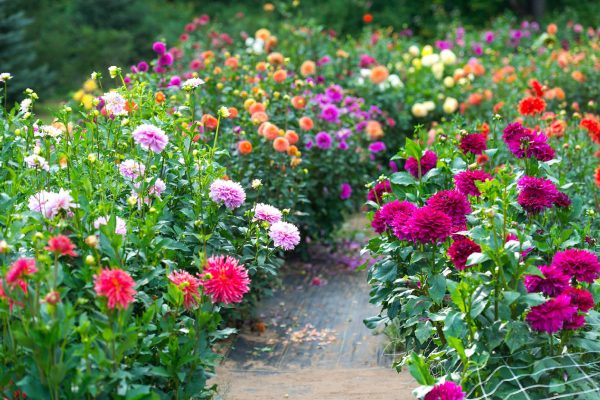
Dahlia flowers are gorgeous in terms of beauty. That is why Dahlia has a great place in decorations. Dahlia flowers are available in pink, red, yellow, white, purple and orange colors. Growing Dahlia requires a climate that is not too hot or rainy. It is difficult to have flowers in extreme summer. But care must also be taken to get enough sunlight. The best months for planting dahlia are September-October.
How to plant Dahlia?

  • Dahlia is grown by planting cut stems or tubers at the base of the plant. Dahlia plants grown with tubers are healthier and larger than those grown with cut stems.
  • Add soil and then powdered dry leaves on top of that. It should be soaked for two days. The seeds are then sown after adding soil and manure. Once the plants started having new roots, bone meal and manure can be added.
  • Dahlia will start flowering within 8 weeks. At that time the bed should be stirred well and then fertilized again. Once the flower withers, the branches should be trimmed. Only then will it help to have many branches and flowers.
  • Care should be taken to provide proper support as the plant may fall in strong winds. Dahlia is most commonly affected by powdery mildew and gray mold. After removing the withered flowers and leaves, the soil should be placed at the bottom. This will help it to bloom longer.

Dahlias characteristics

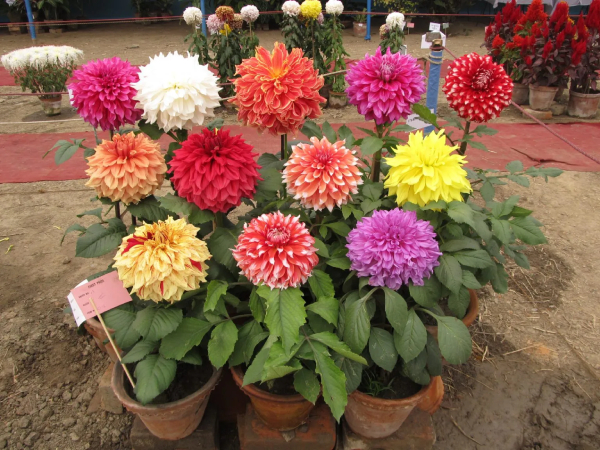
  • Variety: Dahlias come in a vast array of colors, shapes, and sizes. From delicate pastels to vibrant hues, and from small pompons to dinner-plate-sized blooms.
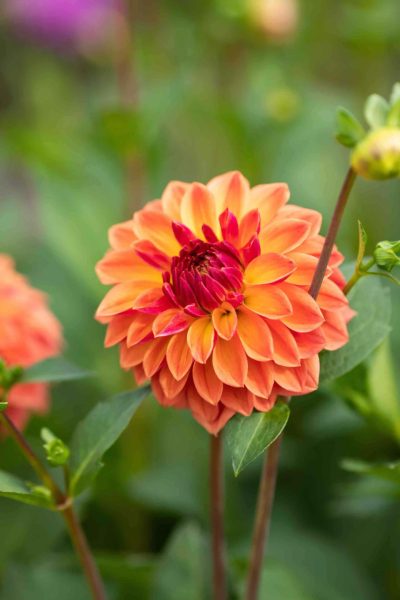
  • Flower Forms: The flowers of dahlias exhibit various forms, including ball-shaped pompons, spiky cactus types, fully double waterlily forms, and intricately petalled decorative varieties.
  • Long Blooming Period: Dahlias are known for their extended blooming period, providing gardeners with weeks or even months of colorful displays.
  • Easy Cultivation: Despite their stunning appearance, dahlias are relatively easy to grow. They prefer full sun and well-drained soil, and regular watering and occasional fertilizing can help them thrive.
  • Attracts Pollinators: The nectar-rich blooms of dahlias attract pollinators such as bees, butterflies, and hummingbirds to the garden, making them not only beautiful but also beneficial for local ecosystems.
  • Hybridization: Dahlias are known for their hybridization potential, allowing breeders to create new cultivars with unique characteristics.
  • Longevity as Cut Flowers: Dahlias make excellent cut flowers due to their long vase life. With proper care, freshly cut dahlia blooms can last up to a week or more in floral arrangements, making them popular choices for bouquets and centerpieces.
Dahlia flower

Types of Dahlia

  • Bishop of Llandaff (Single-flowered)
  • Hillcrest Royal (Anemone-flowered)
  • Karma Choc (Cactus)
  • Wizard of Oz (Waterlily)
  • Sonic Bloom (Ball)
  • Little Beeswings (Pompon)
  • Cafe au Lait (Peony-flowered)
  • Akita (Decorative)
  • Kelvin Floodlight (Dinnerplate)
  • Jennifer (Collarette)
  • Jescot Julie (Orchid-flowered)
  • Alpen Diamond (Fimbriated)
Dahlia Flower Care

Dahlia Care

  • Sunlight: Plant in full sun for 6-8 hours daily.
  • Soil: Well-drained, fertile soil.
  • Planting: Place tubers 6-8 inches deep with eyes facing up in spring.
  • Watering: Keep soil consistently moist, watering deeply once or twice weekly.
  • Fertilization: Feed with balanced fertilizer every 4-6 weeks.
  • Support: Stake tall varieties to prevent bending.
  • Mulching: Apply organic mulch to conserve moisture and suppress weeds.
  • Deadheading: Remove spent flowers regularly.
  • Pest and Disease Control: Monitor for pests and diseases, treat promptly.
  • Overwintering: Dig up tubers after frost, dry, and store indoors until spring.

Leave a Reply

Your email address will not be published. Required fields are marked *