 (+91) 9746 999 125
 support@greensofkerala.com
 Pan India Delivery


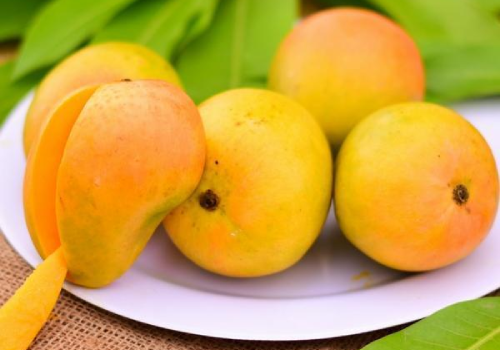
Alphonso / Hapus
The name of the mango variety comes from a Portuguese viceroy named Alphonso de Albuquerque of the 15th century. He was a famous military person who helped Portugal to establish its colonies in Goa during the time. The variety has been cultivated in all most all parts of India, but the most famous, tasty and expensive variety is from Ratnagiri, Maharashtra.
Alphonso mango is sometimes hailed as the king of mangoes because of its highly sweet, creamy and pulpy texture. The fruit is a seasonal fruit and is available mainly from the mid of April to June. The shape of the fruit is somewhat like an egg. It normally weighs between 200-400 grams.

Banganapalli / Safeda
The mango cultivar called banganapalli or banaganapalle received its name after it has been widely cultivated in and around the banganapalli area of Andhra Pradesh. It is also known as Safeda, benishan, chappatai and badam aam in different parts of India. This is one of the first mango cultivars to receive the Geographical Indication Tag (GI Tag).
The flesh of the mango is yellow and sweet. The flesh is non-fibrous and creamy. The shape of the mango is obliquely oval. The size of mango comes around 14cm in length when it becomes mature. It turns golden-yellow when it ripens.

Malgova
Malgova, malgoba or mulgoba is a Southern Indian mango cultivar that has all the world popularity. The mango cultivar is mostly cultivated in Tamil Nadu, Karnataka, Andhra Pradesh and Gujarat. Places such as Salem, Dharmapuri and Krishnagiri in Tamil Nadu are the centres of malgova mango cultivation.
The flesh of malgova mango is flavourful and fiberless. Furthermore, the flesh is yellow, soft and sweet. Another important factor is that it has low acidic nature. The skin is thick which generally takes care of the fruit from outside damage. Usually, a mango weighs about 300-500 grams and inside a monoembryonic seed is visible. The mango is known for its late harvesting time also. May – June is its harvesting time.
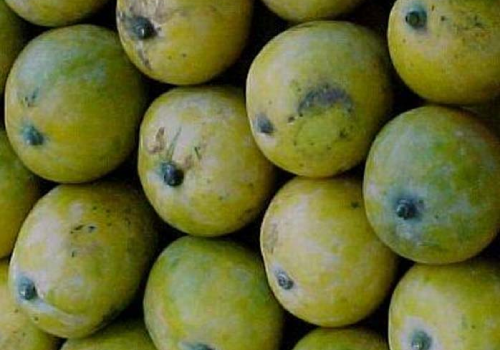
Neelam
Neelam mango is unique in its shape, taste and aroma. The mango is widely seen in the South Indian states of Andhra Pradesh, Karnataka and Tamil Nadu. When it ripens the fruit turns into beautiful yellow-golden color. The taste will be acidic-sweet.
June is the season for Neelam mangoes.Neelam mango is unique in its shape, taste and aroma. The mango is widely seen in the South Indian states of Andhra Pradesh, Karnataka and Tamil Nadu. When it ripens the fruit turns into beautiful yellow-golden color. The taste will be acidic-sweet. June is the season for Neelam mangoes.
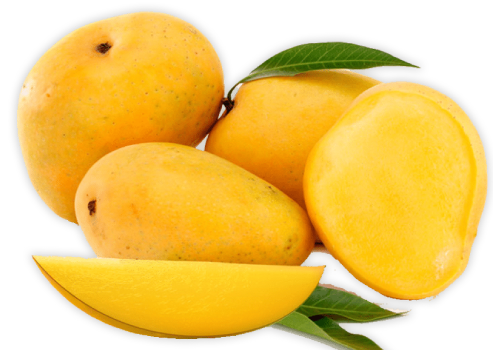
Chaunsa
The variety is popular in North India and Pakistan as well. This is a variety that has wide popularity in other countries, especially in Europe. It’s non-fibrous and has soft skin which turns yellow-golden when it ripens. The season is from June – August.

Kesar
The variety is well-known for its aroma and sweet taste. When its mature mango turns into yellow-saffron color. It is widely seen in Ahmedabad, Gujarat and Maharashtra. Late May – July is the season for this non-fibrous fruit.
Kesar mango is one of the mangoes that received Geographical Indication status (GI status) because of its natural as well as bright saffron colour. The mango has been cultivated in the state of Gujrat with an estimated quantity of 2 lakh tonnes each year.

Badami Mango
Badami variety is widely seen in Badami city of Karnataka. The mango is known as the state’s own Alphonso variety because of its creamy and sweet texture just like the Alphonso. The non-fibrous fruit turns golden-yellow when it matures. April – June is the season for the fruit.
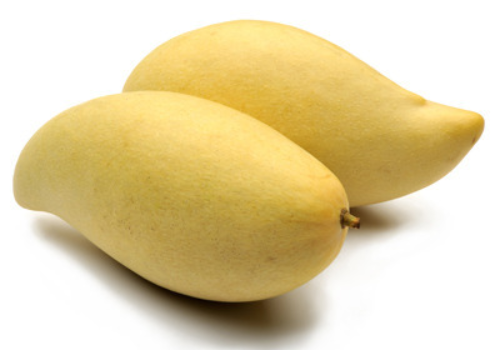
Totapuri Mango
The cultivar Totapuri is seen in the southern parts of India as well as Sri Lanka. The cultivar totapuri looks like a parrot’s face as the name indicates. Its skin is harder than other varieties which makes it more resistant to pests. It is one of the varieties of mangos that are growing for pulp.