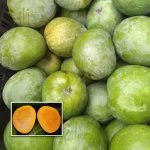
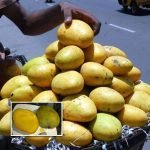
Among the trio of Malgova, Banganapalli, and Alphonso mangoes, each variety presents a unique taste experience. By exploring the distinct flavors, textures, and aromas of these mango varieties, we embark on an enticing exploration of the diverse and captivating world of Indian mangoes.

Alphonsa, the name of the mango variety comes from a Portuguese viceroy named Alphonso de Albuquerque in the 15th century. He was a famous military person who helped Portugal to establish its colonies in Goa during the time. During their time in Goa varieties such as ‘sucking type’ was prominent, but he wanted to introduce mango varieties that are firm in texture so that they can be cut and served. They began to graft until they succeeded in getting the cultivar called Alphonso. The variety has been cultivated in almost all parts of India, but the most famous, tasty and expensive variety is from Ratnagiri, Maharashtra.
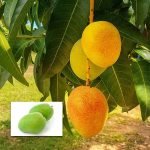 Mango (Alphonso, Graft) Fruit Plant
Malgova is a Southern Indian mango cultivar that has all the world’s popularity. The mango cultivar is mostly cultivated in Tamil Nadu, Karnataka, Andhra Pradesh and Gujarat. Places such as Salem, Dharmapuri and Krishnagiri in Tamil Nadu are the centers of malgova mango cultivation. It is considered to be one of the best mangoes in India. There is an American variety similar to the Indian variety known as mulgoba, which is smaller in size comparatively.


Banganapalli received its name after it has been widely cultivated in and around the banganapalli area of Andhra Pradesh. It is also known as Safeda, benishan, chappatai and badam aam in different parts of India. This is one of the first mango cultivars to receive the Geographical Indication Tag (GI Tag) for its unique taste, shape and other traits.
|
Alphonsa Taste |
Banganapalli Taste |
Malgova Taste |
|---|---|---|
|
Alphonso mango is hailed as the king of mangoes because of its highly sweet, creamy and pulpy texture. |
The flesh of the mango is yellow and sweet. The flesh is non-fibrous and creamy that makes the fruit a favourite in the Indian as well as foreign dinner tables. |
The flesh of malgova mango is flavourful and fibre-less. Furthermore, the flesh is yellow, soft and sweet. Another important factor is that it has low acidic nature. |
⚠️ Orders are temporarily paused due to nursery maintenance. We’ll reopen soon!
No account yet?
Create an Account (+91) 9746 999 125
 support@greensofkerala.com
 Pan India Delivery