 (+91) 9746 999 125
 support@greensofkerala.com
 Pan India Delivery

Post-Delivery Plant Care
Unboxing your plants: Handle with care
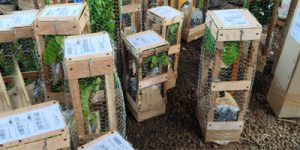
Upon receiving your package, gently open the box, paying attention to any packaging materials. Carefully unwrap each plant, being cautious not to break or bend any stems, leaves, or branches.
Prune dead branches or leaves
Pruning is a fundamental practice in plant care that involves selectively removing damaged or dead parts of the plant to bring back the overall health and aesthetic appeal of your plant.
Give your Plants a Good Drink
Immerse the unwrapped plants fully in water for a duration of 20 to 30 minutes. The water absorption helps replenish moisture lost during shipping and encourages the plant to recover from the journey's stresses.
Place in low sunlight
Avoid placing plants in direct sunlight immediately, as this could lead to sunburn or stress. Initial days keep them in a place where you get only 50% sunlight and gradually introduce them to full sunlight (7-10 days).
Water twice a day
Morning and evening are optimal for watering. Morning watering aids absorption before daytime heat. Evening watering replenishes soil moisture, helping plants endure the night and preventing dehydration.
Apply low dosage fertilizer to soil
After 3-4 days, apply any low-dosage fertilizer to the soil. This approach nourishes plants without the risk of over-fertilization. Before application, carefully read the instructions to determine the dosage.

Avoid over fertilizing of plants
One of the common mistakes customers often make is the immediate application of fertilizer upon the arrival of their new plants. Unfortunately, this practice will create more stress on plants, as these fertilizers generate excess heat during the initial days of application.
Avoid over watering of plants
This common gardening mistake is often made with good intentions, as individuals may believe that providing ample water is beneficial for plant growth. However, excessive watering can have several adverse effects on plants.
Avoid over caring of plants
Overcaring for plants, while well-intentioned, involves providing excessive attention, nutrients, or interventions that can have unintended negative consequences on the plant's overall health and development.
Avoid over fertilizing of plants
One of the common mistakes customers often make is the immediate application of fertilizer upon the arrival of their new plants. Unfortunately, this practice will create more stress on plants, as these fertilizers generate excess heat during the initial days of application.
Avoid over watering of plants
This common gardening mistake is often made with good intentions, as individuals may believe that providing ample water is beneficial for plant growth. However, excessive watering can have several adverse effects on plants.
Avoid over caring of plants
Overcaring for plants, while well-intentioned, involves providing excessive attention, nutrients, or interventions that can have unintended negative consequences on the plant's overall health and development.
Immerse dull plants into water fully
Carefully, unbox the plants and immerse them fully in water for a duration of 20 to 30 minutes (as shown in the picture). The water absorption helps replenish moisture lost during shipping.
Prune dead branches or leaves
Pruning is a fundamental practice in plant care that involves selectively removing damaged or dead parts of the plant to bring back the overall health and aesthetic appeal of your plant.
Spray any liquid fertilizer
Spray any nutrient-rich solution directly to the leaves. This method, known as foliar feeding, allows the plant to absorb essential nutrients through its leaves, complementing the traditional root uptake.
Apply Epsom salt to the roots
Epsom salt, chemically known as magnesium sulfate, By applying Epsom salt to the roots can be beneficial for plants as it provides essential nutrients, particularly magnesium, and helps immediately boost plants.
Water twice a day
Morning and evening are optimal for watering. Morning watering aids absorption before daytime heat. Evening watering replenishes soil moisture, helping plants endure the night and preventing dehydration.
Apply low dosage fertilizer to soil
After 3-4 days, apply any low-dosage fertilizer to the soil. This approach nourishes plants without the risk of over-fertilization. Before application, carefully read the instructions to determine the dosage.
Avoid direct Sun light immediately
Avoid placing plants in direct sunlight immediately, as this could lead to sunburn or stress. Initial days keep them in a place where you get only 50% sunlight and gradually introduce them to full sunlight (7-10days).
Avoid over fertilizing of plants
One of the common mistakes customers often make is the immediate application of fertilizer upon the arrival of their new plants. Unfortunately, this practice will create more stress on plants, as these fertilizers generate excess heat during the initial days of application.
Avoid over watering of plants
This common gardening mistake is often made with good intentions, as individuals may believe that providing ample water is beneficial for plant growth. However, excessive watering can have several adverse effects on plants.
Avoid over caring of plants
Overcaring for plants, while well-intentioned, involves providing excessive attention, nutrients, or interventions that can have unintended negative consequences on the plant's overall health and development.
Avoid direct Sun light immediately
Avoid placing plants in direct sunlight immediately, as this could lead to sunburn or stress. Initial days keep them in a place where you get only 50% sunlight and gradually introduce them to full sunlight (7-10days).
Avoid over fertilizing of plants
One of the common mistakes customers often make is the immediate application of fertilizer upon the arrival of their new plants. Unfortunately, this practice will create more stress on plants, as these fertilizers generate excess heat during the initial days of application.
Avoid over watering of plants
This common gardening mistake is often made with good intentions, as individuals may believe that providing ample water is beneficial for plant growth. However, excessive watering can have several adverse effects on plants.
Avoid over caring of plants
Overcaring for plants, while well-intentioned, involves providing excessive attention, nutrients, or interventions that can have unintended negative consequences on the plant's overall health and development.