A study, led by the National Aeronautics and Space Administration (NASA) and Associated Landscape Contractors of America (ALCA), publicised, certain plants can remove volatile pollutants from the air in the home or office space. The study, NASA Clean Air Study was held in 1989 and put lights on the importance of keeping certain plants inside homes. Around 19 plants underwent the initial study in 1989, and later 12 more plants were added to the table which removes toxins from the air. In this article, let us see the best Air-purifying plants recommended by NASA. Another study showed the micro-organisms in the soil of potted plants can absorb benzene from the atmosphere. The study urges to keep a plant in every 100 square feet of space to get good air cleaning results. These plants will help to overcome not only health issues but also mental stress such as sick building syndrome. 

11 Air-purifying Plants According to NASA

Reasons to keep indoor plants

Health scientists and different studies urge to avoid ammonia, benzene, xylene, carbon monoxide, sulphur dioxide, trichloroethylene, and formaldehyde from breathing. But these toxins are very common inside our homes from the window cleaner, plastics, rubber, leather, paint, and so on. We cannot live without all these products in our day-to-day life but one thing we can do is keeping plants inside the home and thus we can purify the air we breathe.

Following are the best air-purifying plants by NASA

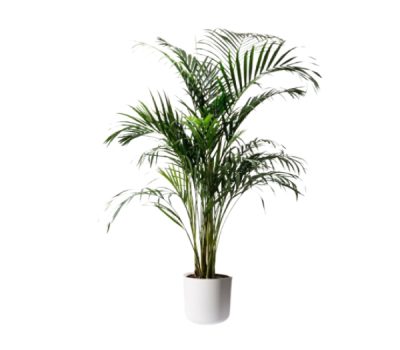
Areca Palms

Areca Palms

Areca Palms can even endure in very little sunlight for it is being indigenous to the tropical forests. It can absorb CO2 and emits oxygen during night time. It takes out dangerous gases such as formaldehyde and benzene and keeps the air humid. 

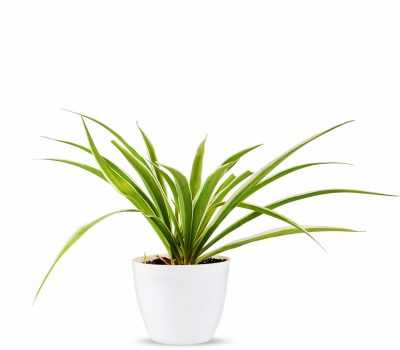
Spider Plant

Spider Plant

This is another plant that is helping in purifying the air at home. The name of this plant comes from the shape of its leaves which look identical to the spider’s legs. They need no direct sunlight and recommend no over-watering the plants.

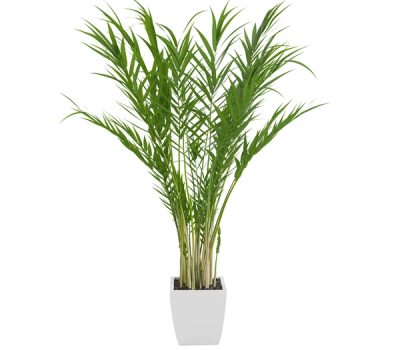
Bamboo palm

Bamboo Palm

The bamboo plant can be grown indoors. Make sure the plant receives indirect sunlight or a small amount of artificial light. The plant can absorb benzene, formaldehyde, trichloroethylene, xylene, and toluene. 

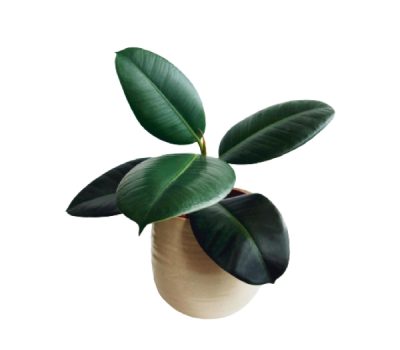
Rubber plant

Rubber Plant

Rubber plants can endure dim light so the plant is suitable for keeping indoors. The plant doesn’t need day-to-day attention so an amateur person also can grow rubber plants in his/her home. The plant not only can eradicate bacteria but also absorb formaldehyde from the atmosphere. 

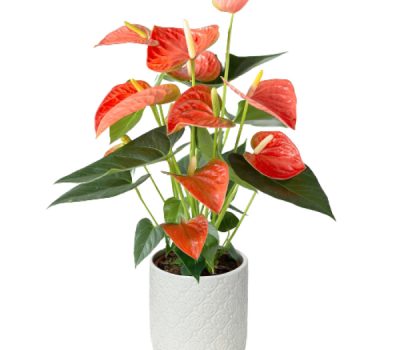
Anthurium Flamingo Lily

Anthurium/ Flamingo Lily

This is another plant that has a place in NASA’s clean air study. It is a flowering plant. The heart-shaped flowers of this plant are unique and visually alluring. It clears formaldehyde, xylene, toluene, and ammonia from the atmosphere. Though the plant removes harming gases from the air, the plant itself is poisonous. 
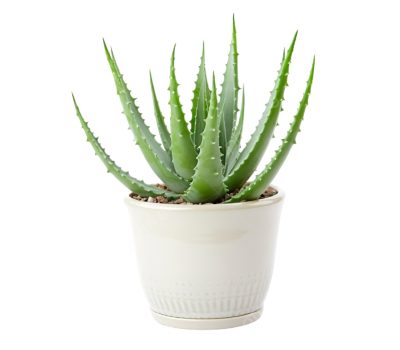
Aloe Vera

Aloe vera provides plenty of oxygen at night and helps to give better sleep for people as it is the remedy for almost all skin problems. It clears damaging gases such as formaldehyde and benzene from the air. Nurturing aloe vera is also simple; it prefers dry soil and has no need for caring or watering every day.
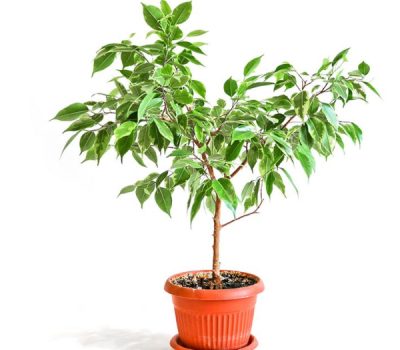
Weeping Fig

This plant requires direct sunlight. Outdoor, the plant can reach up to 30 feet high. The plant can be kept indoors by nurturing it in the pot and also by pruning the tall branches. It can clean xylene, toluene, and formaldehyde. 

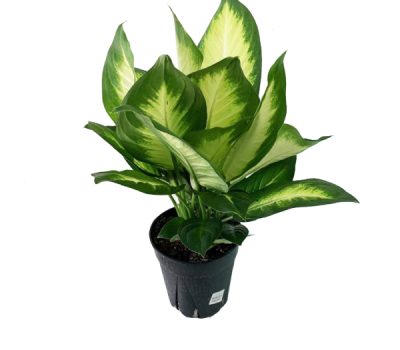
Dumb Canes

The tropical flowering plant can take out xylene and toluene and gives fresh air. This is another type of air-purifying plants recommended by NASA.

English Ivy

English Ivy

English ivy is an aggressive climber plant. So make a mould for the plant to grow and always prune the plant when it reaches the desired height. The plant is found to be removing benzene, formaldehyde, trichloroethylene, and toluene from the air.

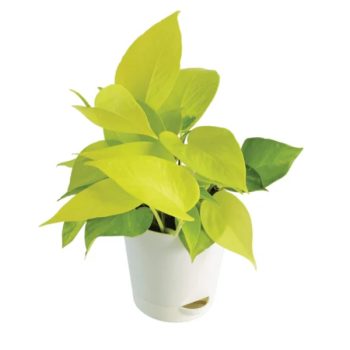
golden pothos

Devil’s Ivy/ Golden Pothos

Several studies including NASA’s suggest having Golden Pothos in the living room for their ability to absorb toxins especially carbon monoxide and formaldehyde. It can grow in low light areas, so in the living room where no direct sunlight is coming, will be fine for the plant. 
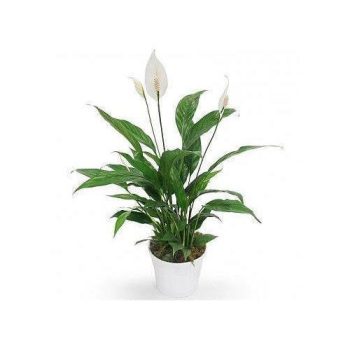
peace lily

Peace Lily

The peace lily is another type of plant that reduces toxins in the air at home. It is temperature tolerant that makes the plant better for the Indian climate condition. The plant can absorb benzene, formaldehyde, trichloroethylene, ammonia, xylene, and other several pollutants.

Leave a Reply

Your email address will not be published. Required fields are marked *