Highlights of Poochapazham Fruit
- Attractive light brown bark.
- Dark-green pinnate leaves.
- Small, fragrant, yellowish-white flowers in terminal panicles.
- Smells like puffed rice.
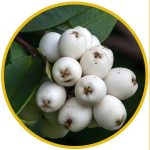
- Bunch of attractive white fruits.
- Shiny black and smooth seeds surrounded by translucent pulp.
- Best for Children's growth.
- Sweet and slightly juicy taste.
About Poochapazham / Cat eye fruit Plant
The botanical name of poochapazham is Syzygium Zeylanicum and South Asia is the birthplace of this plant. In earlier days, the plant was common and easy to find in the neighbourhood of Kerala but now the plant is very hard to find, and the new generation is not aware of the plant or its benefits. The stem and branches of this evergreen plant are comparatively strong.
Benefits of Poochapazham in children's
The benefits of poochapazham, especially for children are a lot. It can be given to a child as a food supplement and the nutrients in them can help the growth of children. The previous generation used this fruit in their child’s food routine but now the fruit and its plant are not easily seen in the neighborhood.
Health Benefits of Cat-Eye Fruit
- Rich in protein.
- Contains minerals and folate.
- Provides essential micro-minerals.
- Beneficial for brain and body development, especially in children.
Poochapazham Tree Characteristics
In the normal condition of Kerala, the plant grows up to 10 meters and the leaves will have 8 centimeters long and 3 centimeters width. Normally the plant flowers during February, and March months. The flowers have a yellowish-white colour. The flowers are like the fur of cats and that is the reason why the plant is called poochapazham plant. There is a very soft fragrance for its flowers.
Poochapazham Fruit Taste
Poochapazham ripe in the May month of the year, and the fruit is in the family of java apple or water apple. The fruits grow like grapefruits bunch but are white in colour. Once it is started to grow, Poochapazham cover all the plants' leaves which have the smell of roasted rice. The fruit doesn't have any special taste but has nutritious value, and the seeds are inside the fruits.
How Poochapazham plants are reproduced?
It is from the seeds that new plants are grown. Seeds are getting from the fruits. Clean the seeds from the fruits and dry them under a shade and plant the seed in a mixture of cow dung and soil. Water the mixture, and the seed will sprout in 10-15 days. When four leaves appear, then we can change the plant into a polythene cover which is filled with potting mixture. After 6-8 months the plant can be planted in the soil. Air-layered branches are available in many nurseries nowadays.
Cat-eye plant as a decorative plant
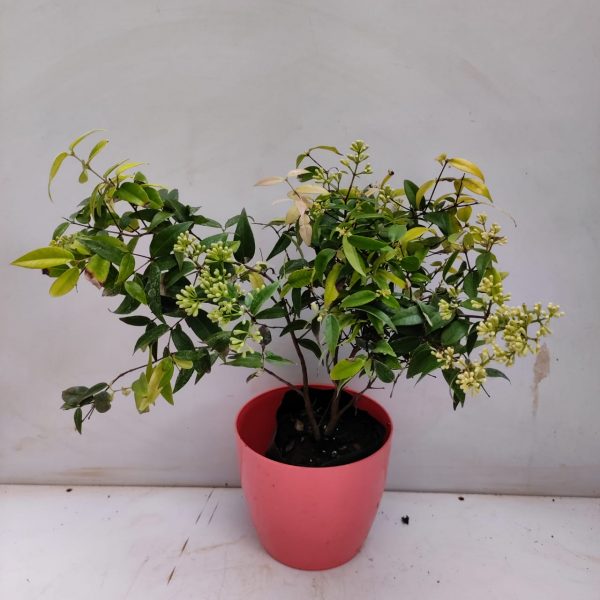
The plant can be grown as a decorative plant for its lush green leaves, bunches of fruits, and flowers. The plant can be grown at the border of the garden. It can be nurtured in pots and also as a bonsai tree. It is also known as malarkkay maram, and pulakkay maram.
Buy Poochapazham Plant Online | Pan India Delivery
Looking to buy Poochapazham (Cat-eye fruit) fruit plants online at the best price? We offer all-India delivery with safe and secure packaging. Order now!
Price : 700rs | Shipping : Free
Poochapazham Fruit Plant Fertilization
Organic fertilization methods for cat eye fruit can promote healthy growth and fruit production while minimizing environmental impact. Here's a simple approach:
- Compost: Utilize homemade or commercially available compost to enrich the soil with organic matter. Compost provides essential nutrients and improves soil structure, promoting root development and overall plant health. Apply compost as a top dressing around the base of the cat eye fruit plant, avoiding direct contact with the trunk.
- Organic Liquid Fertilizers: Prepare homemade organic liquid fertilizers using compost tea, seaweed extract, or diluted fish emulsion. Apply these liquid fertilizers as foliar sprays or soil drenches to provide a quick nutrient boost and improve nutrient uptake by the cat eye fruit plant.
- Manure: Use well-aged organic manure, such as composted cow or chicken manure, to provide a balanced supply of nutrients to the cat eye fruit plant. Apply manure sparingly to avoid over-fertilization, which can lead to nutrient imbalances or root burn. Incorporate manure into the soil around the plant or use it as a side dressing.
- Mulching: Apply a layer of organic mulch, such as straw, leaves, or grass clippings, around the base of the plant. Mulch helps retain soil moisture, suppresses weeds, and gradually releases nutrients as it decomposes. Additionally, mulch acts as insulation, protecting the roots from temperature fluctuations.