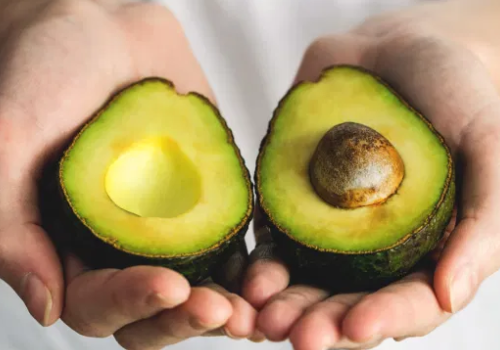
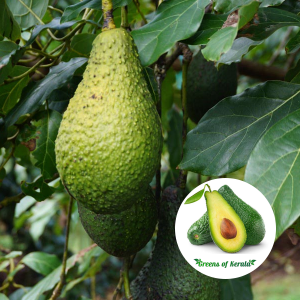
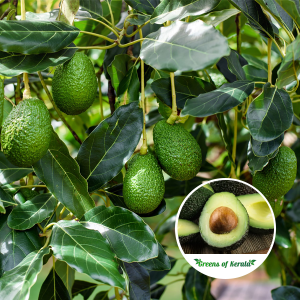
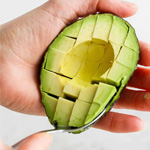
Avocado (also known as butter fruit) farming has got its momentum nowadays in India due to the high price and the sub-tropical climate of the country. From an avocado tree, a farmer gets around 300-600 fruits every year. Another important factor is that the plant does not require constant care like many other trees or plants. In a season, a farmer gets up to 200 rupees for a kilogram of the fruit. 

avacado graft

Till the first half of the 20th century, the avocado was unknown to the Indian Sub-continent. It was first introduced to the country from Sri Lanka. The fruit is originally from Mexico and Central America and slowly migrated to other countries. It is called butter fruit for its creamy and rich texture.

Health benefits of Avocado

It is said that avocado is the most nutritious among the fruits with plenty of proteins and fat but low in carbohydrates. The fruit has calcium, iron, copper, magnesium, manganese, phosphorous, sodium and sulfur minerals. It also has vitamins such as vitamin A (carotene), ascorbic acid, thiamine, and riboflavin.

  • Avocados are rich in fiber.
  • They help fight against cancer.
  • It is good for the heart and vision.
  • Recommended for pregnant women.
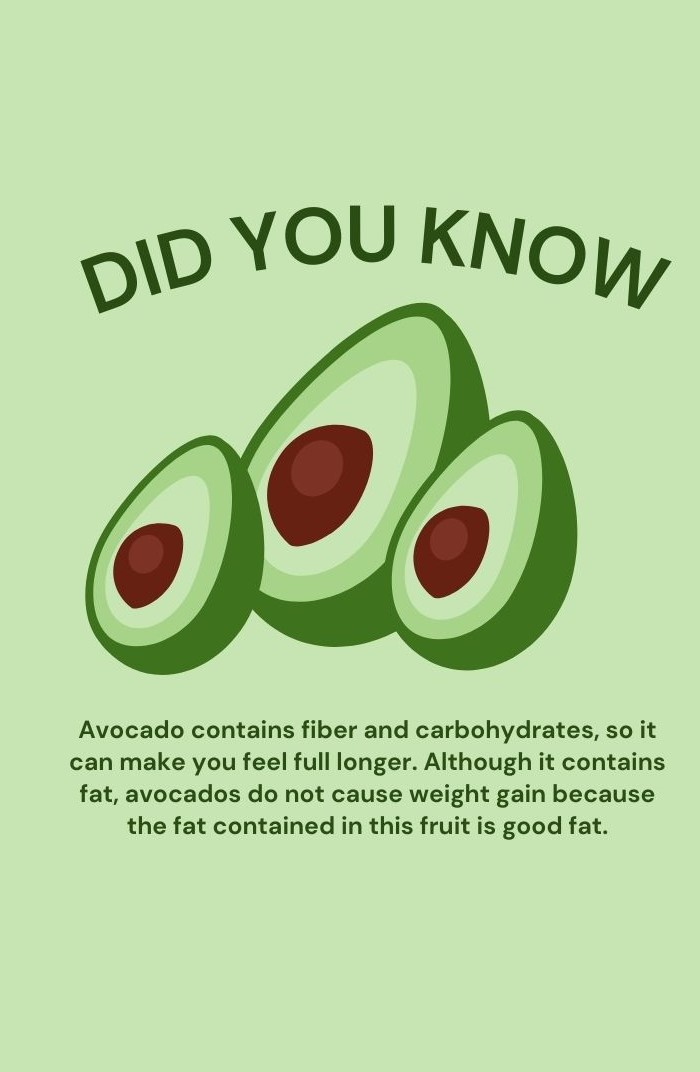
  • It does lower the cholesterol level and results in weight loss.
  • The fruit is considered to be a detoxification fruit.
  • It helps to prevent osteoporosis.

Uses of Avocado Fruit

The fruit is mainly used as raw fruit. It can be seen in sandwiches, salads, milk shakes or as toppings. It is also used in juices, shakes, fresh ice creams, and milk. Oil taken from avocado has its own fan circle. The pulp can be preserved in freezers for a long time.

avacado mask use
  • Face Masks: Mashed avocado mixed with honey or yogurt can be used as a nourishing face mask.
  • Hair Masks: Avocado mashed with olive oil or coconut oil can serve as a moisturizing hair mask.
  • Moisturizer: Avocado oil is used in some skincare products for its moisturizing properties.
Healthy avacado

Avacado Varieties (Available in India)

  • HASS AVACADO
  • PINKERTON AVACADO
  • REED AVACADO
  • RUSSELL AVACADO
  • WEST INDIAN AVACADO
  • MEXICAN AVACADO
  • GUATEMALAN AVACADO
  • MALUMA AVACADO
  • LULA AVACADO
  • ZUTANO AVOCADO
  • FUERTE AVOCADO
  • GWEN AVOCADO
  • ETTINGER AVOCADO

These are the common varieties that have been found in the country. In them, the Mexican type is the smallest one, it is approximately weighs up to 250gm to 350gm. It takes 6-8 months to ripen after flowering the fruit. The Guatemalan type is larger than the Mexican. It grows up to 600gm and ripens after 9-12 months after flowering. The West Indian type is medium-sized and it takes 9 months to ripen after flowering.

Now, there are other hybrid varieties in the country such as Bacon, Pollock, Waldin, Nabal, Linda booth 7 and 8.

Buy Avacado Saplings Online

avocado fact

Avocado Fruit Nutrition

Avocado is like a nutritional powerhouse with loads of vitamins and minerals. It's rich in potassium, even more than bananas, which is great for nerves, blood pressure, and heart health. Avocado has various vitamins and minerals like B9, K, E, C, and more. A serving of avocado is low in calories but high in healthy fats and fiber, making it an excellent choice for those watching carbs. It's also low in cholesterol, saturated fat, and sodium, making it perfect for health-conscious folks.

AVOCADO CARE

  • Watering: Keep soil consistently moist, but not waterlogged. Allow the top inch of soil to dry between waterings.

  • Light: Place in bright, indirect sunlight, rotating occasionally for even exposure.

  • Temperature: Maintain temperatures between 60°F to 85°F (15°C to 29°C); avoid drafts and cold temperatures.

  • Humidity: Increase humidity by misting leaves or using a humidity tray.

  • Fertilization: Feed with balanced, water-soluble fertilizer every 4-6 weeks during spring and summer.

  • Pruning: Trim to promote bushier growth and remove dead or damaged leaves.

  • Repotting: Repot into a slightly larger container with well-draining soil every year or as needed.

  • Support: Provide stakes or a small trellis to support growth and prevent bending.

Leave a Reply

Your email address will not be published. Required fields are marked *